Ventilation is a critical aspect of fire safety in any large public space, and concert halls are no exception. As a fire ventilator supplier, I’ve witnessed firsthand the importance of meeting the right ventilation requirements to ensure the safety of concert – goers and the protection of the venue itself. In this blog, I’ll delve into the ventilation requirements for fire ventilators in a concert hall, exploring the scientific and practical aspects of this crucial system. Fire Ventilator
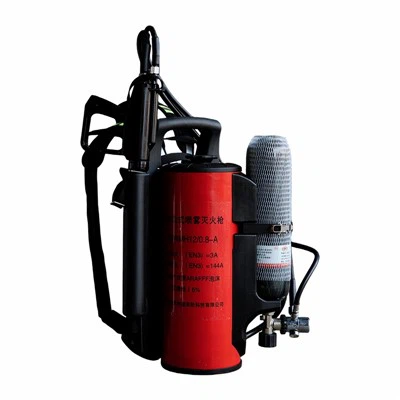
Understanding the Basics of Fire Ventilation in Concert Halls
Concert halls are large, often multi – level spaces filled with a significant number of people and valuable equipment. In the event of a fire, the rapid spread of smoke and heat can pose a serious threat to life and property. Fire ventilators play a vital role in removing smoke and hot air from the building, allowing for safe evacuation and reducing the risk of structural damage.
The primary goal of fire ventilation in a concert hall is to create a tenable environment for occupants during a fire. This means maintaining a breathable atmosphere with acceptable levels of temperature, visibility, and toxic gas concentration. To achieve this, fire ventilators must be designed and installed to meet specific performance criteria.
Key Ventilation Requirements
Smoke Extraction Capacity
One of the most important requirements for a fire ventilator in a concert hall is its smoke extraction capacity. This is typically measured in cubic meters per second (m³/s) and is determined by the size and layout of the concert hall. Larger concert halls with more seating capacity and complex architectural features will require higher – capacity ventilators.
For example, a small – to – medium – sized concert hall with a seating capacity of around 500 people may require a smoke extraction rate of 20 – 30 m³/s. In contrast, a large concert hall with a capacity of over 2000 people could need a rate of 50 m³/s or more. The smoke extraction capacity should be sufficient to remove the smoke generated by a fire within a reasonable time frame, usually within the first few minutes of the fire starting.
Airflow Distribution
Proper airflow distribution is also crucial for effective fire ventilation. The ventilators should be strategically placed to ensure that smoke is efficiently removed from all areas of the concert hall. This may involve installing multiple ventilators at different locations, such as in the ceiling, walls, or near the stage.
In addition, the airflow pattern should be designed to prevent the recirculation of smoke. This can be achieved by using a combination of exhaust and supply air systems. The exhaust ventilators remove the smoke, while the supply air systems introduce fresh air into the building, creating a positive pressure environment that helps to push the smoke out.
Fire Resistance
Fire ventilators must be able to withstand high temperatures and fire conditions for a specified period of time. This is known as the fire resistance rating, which is typically expressed in hours. In a concert hall, fire ventilators should have a fire resistance rating of at least 1 – 2 hours to ensure that they continue to function during a fire.
The fire resistance of the ventilators is achieved through the use of fire – resistant materials and construction techniques. For example, the ventilator casing may be made of fire – rated steel or other fire – resistant materials, and the internal components may be protected by insulation to prevent heat transfer.
Noise Levels
Concert halls are designed for acoustic performance, so it’s important that the fire ventilators do not generate excessive noise. The noise levels of the ventilators should be within acceptable limits to avoid disturbing the concert experience.
Modern fire ventilators are designed with noise – reducing features, such as low – noise fans and sound – absorbing materials. The noise levels are typically measured in decibels (dB) and should be kept below a certain threshold, usually around 60 – 70 dB in the occupied areas of the concert hall.
Compliance with Standards and Regulations
In addition to the technical requirements, fire ventilators in concert halls must comply with various national and international standards and regulations. These standards are designed to ensure the safety and performance of the ventilation systems.
For example, in the United States, the National Fire Protection Association (NFPA) has developed a set of standards for fire ventilation systems, including NFPA 92A and NFPA 92B. These standards cover aspects such as the design, installation, and maintenance of fire ventilators.
In Europe, the European Standard EN 12101 – 2 specifies the requirements for smoke and heat exhaust ventilation systems in buildings. Concert halls in Europe must comply with this standard to ensure the safety of their occupants.
Importance of Regular Maintenance and Testing
Once the fire ventilators are installed in a concert hall, regular maintenance and testing are essential to ensure their proper functioning. Maintenance tasks may include cleaning the ventilators, inspecting the components for wear and tear, and lubricating the moving parts.
Testing should be carried out at regular intervals to verify the performance of the ventilators. This may involve conducting smoke extraction tests to ensure that the ventilators can remove smoke at the required rate. In addition, the fire resistance of the ventilators should be periodically tested to ensure that they still meet the required standards.
Our Role as a Fire Ventilator Supplier
As a fire ventilator supplier, we play a crucial role in helping concert hall owners and operators meet the ventilation requirements. We offer a wide range of fire ventilators that are designed to meet the specific needs of concert halls.
Our ventilators are manufactured using high – quality materials and advanced technology to ensure their reliability and performance. We also provide comprehensive installation and maintenance services to ensure that the ventilators are properly installed and functioning at all times.
We work closely with architects, engineers, and fire safety professionals to design ventilation systems that are tailored to the unique requirements of each concert hall. Our team of experts can provide technical advice and support throughout the entire process, from the initial design to the final installation.
Conclusion

In conclusion, the ventilation requirements for a fire ventilator in a concert hall are complex and multifaceted. Meeting these requirements is essential for ensuring the safety of concert – goers and the protection of the venue. As a fire ventilator supplier, we are committed to providing high – quality products and services that meet the highest standards of safety and performance.
Electric Smoke Ejector If you’re a concert hall owner or operator looking for a reliable fire ventilator solution, we’d be happy to discuss your specific needs. Our team of experts can provide you with detailed information about our products and services and help you choose the right ventilation system for your concert hall. Contact us today to start the conversation and take the first step towards a safer and more secure concert hall.
References
- National Fire Protection Association (NFPA). NFPA 92A: Standard for Smoke Control Systems.
- National Fire Protection Association (NFPA). NFPA 92B: Standard for Smoke Management Systems in Malls, Atria, and Large Spaces.
- European Committee for Standardization. EN 12101 – 2: Smoke and heat control systems – Part 2: Specification for natural smoke and heat exhaust ventilators.
Taizhou Mingxin Fire Protection Technology Co., Ltd.
As one of the most professional fire ventilator manufacturers in China, we warmly welcome you to buy bulk high quality fire ventilator made in China here from our factory. Good service and low price are available.
Address: Group 3, Xinzhouqiao Community, Jingtai Road Subdistrict, Hailing District, Taizhou City (within Taizhou Station North Logistics Management Co., Ltd.)
E-mail: mingxinxf@163.com
WebSite: https://www.mxfiretech.com/
