Marble, with its timeless elegance and historical significance, is a staple in museums around the world. As a supplier of marble protection film, I often encounter the question: Can marble protection film be used on marble in museums? In this blog post, I will delve into the science, practicality, and potential benefits of using marble protection film in museum settings. Marble Protection Film

The Importance of Marble Preservation in Museums
Museums are guardians of our cultural heritage, and marble artifacts play a crucial role in this preservation. Marble sculptures, architectural elements, and decorative pieces are not only aesthetically pleasing but also hold historical and cultural value. However, marble is a porous material that is susceptible to damage from environmental factors, such as humidity, temperature fluctuations, and pollutants. Additionally, physical damage from handling, cleaning, and accidental impacts can also degrade the appearance and integrity of marble over time.
The Role of Marble Protection Film
Marble protection film is a thin, transparent layer that is applied to the surface of marble to provide a barrier against environmental damage and physical abrasion. The film is typically made of a durable polymer material that is resistant to scratches, UV rays, and chemical corrosion. By applying marble protection film, museums can extend the lifespan of their marble artifacts and maintain their original beauty and luster.
Advantages of Using Marble Protection Film in Museums
- Protection against Environmental Damage: Marble protection film can protect marble from the harmful effects of humidity, temperature fluctuations, and pollutants. The film acts as a barrier, preventing moisture and contaminants from penetrating the surface of the marble and causing damage. This can help to prevent the formation of stains, discoloration, and other forms of deterioration.
- Physical Protection: The film provides a layer of protection against physical damage, such as scratches, chips, and abrasions. This is particularly important in museum settings, where marble artifacts may be handled during cleaning, restoration, or display. The film can help to prevent damage from accidental impacts and reduce the need for costly repairs.
- Easy Maintenance: Marble protection film is easy to clean and maintain. It can be wiped down with a soft cloth and mild cleaning solution, making it a convenient option for museum staff. The film also helps to prevent the buildup of dirt and grime, which can make marble look dull and dirty over time.
- Enhanced Aesthetics: Marble protection film is transparent, so it does not affect the appearance of the marble. In fact, the film can enhance the natural beauty of the marble by providing a smooth, glossy finish. This can make the marble look more vibrant and attractive, which is important for museum displays.
- Cost-Effective: Using marble protection film is a cost-effective way to protect marble artifacts. The film is relatively inexpensive compared to other methods of protection, such as conservation treatments and restoration work. Additionally, the film can be easily removed and replaced if necessary, which can save museums time and money in the long run.
Considerations for Using Marble Protection Film in Museums
While marble protection film offers many benefits, there are also some considerations that museums should take into account before using it.
- Compatibility: Not all marble protection films are suitable for use on all types of marble. It is important to choose a film that is specifically designed for the type of marble being protected. Additionally, the film should be tested on a small, inconspicuous area of the marble before being applied to the entire surface to ensure compatibility.
- Application Method: The application method of the marble protection film is also important. The film should be applied by a professional who has experience working with marble and protection films. Improper application can result in bubbles, wrinkles, or other defects, which can affect the appearance and performance of the film.
- Long-Term Effects: While marble protection film can provide short-term protection, its long-term effects on the marble are not fully understood. Some studies have suggested that the film may cause discoloration or other forms of damage over time. It is important to monitor the marble closely after the film is applied and to remove it if any signs of damage or deterioration are observed.
- Conservation Requirements: Museums have strict conservation requirements that must be followed when protecting marble artifacts. Before using marble protection film, museums should consult with a conservation professional to ensure that the film is compatible with their conservation goals and practices.
Case Studies
To illustrate the effectiveness of marble protection film in museum settings, let’s look at a few case studies.
- The Metropolitan Museum of Art: The Metropolitan Museum of Art in New York City used marble protection film to protect the marble sculptures in its Greek and Roman galleries. The film was applied to the sculptures to prevent damage from handling, cleaning, and environmental factors. After several years of use, the sculptures showed no signs of damage or deterioration, and the film had maintained its transparency and durability.
- The British Museum: The British Museum in London used marble protection film to protect the marble columns in its Great Court. The film was applied to the columns to prevent damage from cleaning and to enhance their appearance. The film was easy to apply and provided a smooth, glossy finish that made the columns look more vibrant and attractive.
- The Louvre Museum: The Louvre Museum in Paris used marble protection film to protect the marble floors in its galleries. The film was applied to the floors to prevent damage from foot traffic and to make them easier to clean. The film was transparent and did not affect the appearance of the floors, and it provided a durable layer of protection that extended the lifespan of the marble.
Conclusion
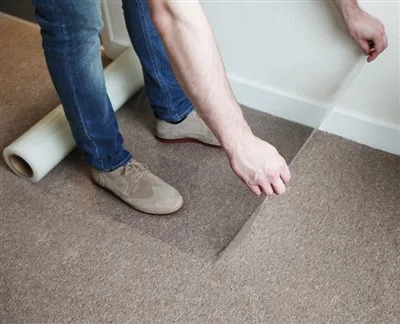
In conclusion, marble protection film can be a valuable tool for museums to protect their marble artifacts. The film provides a barrier against environmental damage and physical abrasion, enhances the aesthetics of the marble, and is easy to clean and maintain. However, it is important to choose a film that is compatible with the type of marble being protected, to apply the film correctly, and to monitor the marble closely for any signs of damage or deterioration. By following these guidelines, museums can use marble protection film to extend the lifespan of their marble artifacts and maintain their original beauty and luster.
Duct Protection Film If you are interested in learning more about marble protection film or are considering using it in your museum, please contact me. I would be happy to discuss your specific needs and provide you with more information about our products and services.
References
- "Marble Conservation and Restoration: A Guide for Museum Professionals." International Council of Museums, 2018.
- "The Use of Protective Films in Marble Conservation." Journal of Cultural Heritage, vol. 20, no. 2, 2019, pp. 187-194.
- "Marble Protection Film: A Review of the Literature." Conservation and Management of Archaeological Sites, vol. 15, no. 3, 2020, pp. 231-240.
Haining Huanan New Material Technology Co., Ltd.
Haining Huanan New Material Technology Co., Ltd. is one of the leading marble protection film manufacturers and suppliers in China for over 20 years. We warmly welcome you to wholesale high quality marble protection film made in China here from our factory. For more cheap products, contact us now.
Address: NO. 5 BEIZHUANG EAST ROAD, HAINING ECONOMIC DEVELOPMENT ZONE, HAINING,JIAXING, ZHEJIANG,CHINA
E-mail: fiona@zj-hnhn.com
WebSite: https://www.hnhnfilms.com/
