Hey there! I’m a supplier of building anchors, and I’ve been in this business for quite a while. One question that often pops up is, "Are building anchors reliable in long – term use?" Well, let’s dive right into it. Building Anchor
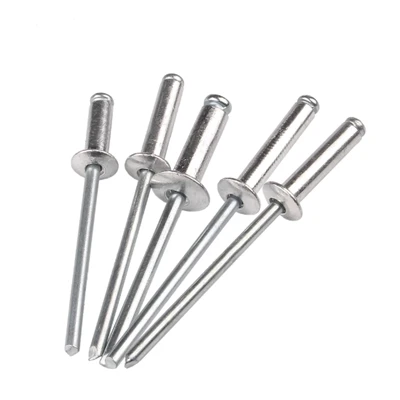
First off, what are building anchors? They’re those nifty little devices that help attach structures to various surfaces, like concrete, brick, or wood. You see them everywhere – in buildings, bridges, and even in home improvement projects. They’re crucial for ensuring the stability and safety of any construction.
Now, when it comes to long – term reliability, there are a bunch of factors to consider. Material is a biggie. Most of the building anchors we supply are made from high – quality metals like stainless steel or galvanized steel. Stainless steel is great because it’s corrosion – resistant. Corrosion can weaken an anchor over time, especially in environments where there’s a lot of moisture or chemicals. For example, in coastal areas where the air is salty, corrosion can be a real problem. But with stainless – steel anchors, you can be pretty confident that they’ll hold up for a long time.
Galvanized steel is also a popular choice. It has a protective zinc coating that helps prevent rust. This coating acts as a barrier between the steel and the elements. It’s a cost – effective option that still offers good long – term performance. However, if the zinc coating gets damaged, the steel underneath can start to rust. So, during installation, it’s important to be careful not to scratch or chip the coating.
Another factor is the type of anchor. There are different kinds, like expansion anchors, chemical anchors, and screw anchors. Expansion anchors work by expanding when they’re installed into a pre – drilled hole. They create a tight fit in the hole, which helps hold the structure in place. These are pretty reliable for long – term use, but they do have some limitations. If the base material (like concrete) is weak or cracked, the expansion force might cause further damage to the material, which could affect the anchor’s performance over time.
Chemical anchors, on the other hand, use a chemical adhesive to bond the anchor to the base material. They’re great for applications where high load – bearing capacity is required. The chemical bond can be very strong and durable. But, the quality of the chemical adhesive matters a lot. If it’s not a good – quality adhesive, it might break down over time, especially in extreme temperatures or in the presence of certain chemicals.
Screw anchors are easy to install and are often used in lighter – duty applications. They work by screwing into the base material. For long – term use, they’re generally reliable as long as the base material is strong enough to hold the screw. If the material is too soft, the screw might loosen over time.
The installation process is super important for long – term reliability. If an anchor isn’t installed correctly, it won’t work as well as it should. For example, if the hole for an expansion anchor is drilled too big, the anchor won’t expand properly and won’t hold the load. And with chemical anchors, if the hole isn’t cleaned properly before the adhesive is applied, the bond might not be as strong.
We’ve seen some cases where improper installation led to problems down the line. One time, a contractor installed expansion anchors in a concrete wall, but they didn’t drill the holes to the right depth. After a few years, the anchors started to loosen, and the structure they were holding up became unstable. It was a costly mistake to fix.
Environmental conditions also play a huge role. In areas with extreme temperatures, like very hot summers or very cold winters, the materials in the anchors can expand and contract. This repeated expansion and contraction can cause stress on the anchor and the base material. Over time, this stress can lead to cracks or loosening of the anchor.
For example, in a region with a large temperature difference between day and night, the anchors in a building facade might experience a lot of stress. If the anchors aren’t designed to handle these temperature changes, they could fail.
In addition, exposure to UV rays can also affect the long – term performance of some types of anchors. Some plastic or rubber components in anchors can degrade when exposed to sunlight for a long time. This can lead to a loss of strength and flexibility, which can compromise the anchor’s reliability.
Now, let’s talk about testing. At our company, we put our building anchors through a series of tests to ensure their long – term reliability. We test them for load – bearing capacity, corrosion resistance, and durability under different environmental conditions. We use industry – standard testing methods to make sure our anchors meet or exceed the requirements.
For example, we do salt – spray tests to simulate the effects of corrosion in a coastal environment. We also do cyclic loading tests to see how the anchors perform under repeated stress. These tests give us a good idea of how our anchors will hold up over time.
But even with all these tests, it’s important to remember that no anchor is 100% foolproof. There’s always a small risk of failure, especially in extreme situations. That’s why it’s important to choose the right anchor for the job and to follow the installation instructions carefully.
So, are building anchors reliable in long – term use? In most cases, yes. If you choose high – quality anchors, install them correctly, and take into account the environmental conditions, they can provide reliable support for many years.
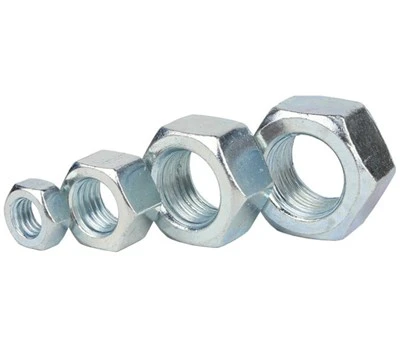
If you’re in the market for building anchors, whether it’s for a big construction project or a small home improvement job, we’d love to help. We’ve got a wide range of anchors to suit different needs and budgets. Our team of experts can also give you advice on which anchor is the best for your specific application. Just reach out to us to start a conversation about your anchor needs.
Washers References:
- "Building Construction Handbook" by Edward Allen and Joseph Iano
- "Anchor Design and Installation" by the American Concrete Institute
Handan Dongchao Hardware Products Co., Ltd.
As one of the most professional building anchor manufacturers and suppliers in China, we have world-leading production equipment and strong manufacturing capabilities. Please feel free to wholesale bulk high quality building anchor in stock here and get pricelist from our factory. Customized orders are welcome.
Address: West of Xiaobeizhuang Village, South of Beizhangzhuang Village, Hanshan District, Handan City
E-mail: david@dcscrews.com
WebSite: https://www.dc-screws.com/
