In the metalworking industry, mechanical shearing machines are indispensable tools, widely used for cutting various metal materials. As a supplier of shearing machines, I’ve witnessed firsthand the many benefits these machines offer, such as high efficiency, precision, and reliability. However, like any piece of equipment, mechanical shearing machines also have their drawbacks. Understanding these disadvantages is crucial for both our customers and us as suppliers to make informed decisions and find appropriate solutions. Shearing Machine

Limited Cutting Thickness and Material Type
One of the primary limitations of mechanical shearing machines is their restricted cutting thickness and the range of materials they can handle. Mechanical shearing machines rely on a mechanical drive system to generate the cutting force. This system has a fixed power capacity, which means there is an upper limit to the thickness of the metal that can be cut. For instance, most standard mechanical shearing machines can only cut mild steel up to a certain thickness, typically around 6 – 12 mm. If the material is thicker than this, the machine may not be able to generate enough force to make a clean cut, leading to incomplete cuts, rough edges, or even damage to the machine.
Moreover, mechanical shearing machines are not suitable for all types of materials. They work best with relatively soft and ductile metals like mild steel and aluminum. Harder materials such as stainless steel, high – strength alloy steels, or titanium pose significant challenges. These materials have high tensile strength and hardness, which require much higher cutting forces. The mechanical drive system of a shearing machine may not be able to provide the necessary force, and attempting to cut such materials can cause excessive wear and tear on the cutting blades and other components of the machine.
Noise and Vibration
Another notable disadvantage of mechanical shearing machines is the high level of noise and vibration they produce during operation. The mechanical drive mechanism, which typically consists of gears, flywheels, and crankshafts, generates a considerable amount of noise when in motion. The impact of the cutting blades on the metal also contributes to the noise level. In a factory environment, the continuous operation of mechanical shearing machines can create a very noisy workplace. Prolonged exposure to high – intensity noise can cause hearing damage to workers, leading to problems such as tinnitus and hearing loss.
Vibration is also a significant issue. The mechanical forces involved in the cutting process cause the machine to vibrate. This vibration can have several negative effects. Firstly, it can affect the cutting accuracy. Excessive vibration can cause the cutting blades to move slightly out of position, resulting in inaccurate cuts. Secondly, the vibration can cause damage to the machine itself over time. It can loosen the bolts and other fasteners, leading to misalignment of components and potential breakdowns. Additionally, the vibration can be transmitted to the surrounding floor and other equipment, which may also cause damage to the factory infrastructure.
Maintenance Requirements
Mechanical shearing machines have relatively high maintenance requirements. The mechanical drive system has many moving parts, such as gears, bearings, and belts. These parts are subject to wear and tear during normal operation. Regular lubrication is essential to reduce friction and prevent premature wear of the components. The cutting blades also need to be sharpened or replaced regularly to ensure clean and precise cuts.
The complexity of the mechanical drive system means that maintenance tasks can be time – consuming and require skilled technicians. For example, if a gear in the drive system fails, it may need to be disassembled, repaired, or replaced. This process can be quite labor – intensive and may result in significant downtime for the machine. Moreover, the cost of spare parts for mechanical shearing machines can be relatively high, especially for specialized components. This can add to the overall cost of ownership for the customer.
Safety Risks
Safety is a major concern when it comes to mechanical shearing machines. The cutting blades of these machines are extremely sharp and can cause serious injuries if proper safety precautions are not taken. Workers may accidentally come into contact with the blades during loading, unloading, or adjustment of the machine. The high – speed movement of the mechanical components also poses a risk of entanglement. For example, loose clothing or long hair can get caught in the gears or belts, leading to severe injuries.
In addition, the noise and vibration generated by the machine can distract workers and reduce their concentration, increasing the likelihood of accidents. Although most mechanical shearing machines are equipped with safety guards and emergency stop buttons, these safety features may not always be foolproof. Workers need to be properly trained on how to operate the machine safely, and regular safety inspections are necessary to ensure that all safety devices are functioning correctly.
Lack of Flexibility in Cutting Shapes
Mechanical shearing machines are primarily designed for straight – line cutting. They have limited flexibility when it comes to cutting complex shapes. The cutting process is based on a simple up – and – down motion of the blades, which makes it difficult to cut curves or irregular shapes. If a customer needs to cut non – straight shapes, they may have to use additional tools or processes, such as laser cutting or water jet cutting, which can increase the overall cost and production time.
Even for straight – line cutting, the length of the cut is often limited by the size of the machine’s cutting table and the stroke of the blades. This can be a problem for large – scale production or when cutting long pieces of metal. In such cases, the metal may need to be cut in multiple sections, which can lead to inaccuracies and additional processing steps.
Energy Consumption
Mechanical shearing machines can be relatively energy – intensive. The mechanical drive system requires a significant amount of energy to operate, especially when cutting thick or hard materials. The flywheel, which stores and releases energy during the cutting process, needs to be constantly powered to maintain its rotational speed. This continuous energy consumption can result in high electricity bills for the user.
In today’s environmentally conscious world, high energy consumption is not only a cost issue but also a concern for sustainability. As a supplier, we are aware of the need to develop more energy – efficient shearing machines to meet the demands of our customers and reduce the environmental impact.
Conclusion
Despite their many advantages, mechanical shearing machines have several significant disadvantages. These include limited cutting thickness and material type, high noise and vibration levels, high maintenance requirements, safety risks, lack of flexibility in cutting shapes, and relatively high energy consumption. However, this does not mean that mechanical shearing machines are not useful. They still play an important role in the metalworking industry, especially for simple straight – line cutting tasks of mild steel and other soft metals.
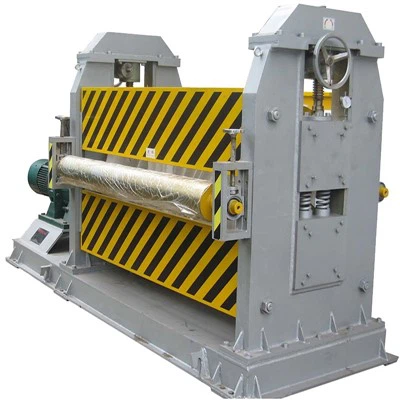
As a shearing machine supplier, we are committed to helping our customers understand these disadvantages and find the best solutions. We offer a range of products and services to address these issues. For example, we can provide advice on selecting the right machine for a specific application, offer training on machine operation and maintenance, and supply high – quality spare parts.
Crf Machine If you are considering purchasing a shearing machine or have any questions about our products, we encourage you to contact us for a detailed discussion. Our team of experts is ready to assist you in making the right decision and ensuring that you get the most out of your investment.
References
- ASM Handbook Volume 16: Machining. ASM International.
- Metalworking Machinery Handbook. Industrial Press Inc.
- Safety Standards for Shearing Machines. International Organization for Standardization (ISO).
Wuxi Yuanding Machinery Manufacturing Co., Ltd.
We’re well-known as one of the leading shearing machine manufacturers and suppliers in China, also support customized service. Please feel free to buy advanced shearing machine made in China here from our factory. For pricelist, contact us now.
Address: Yaguang Industrial Park, No. 88 Chaoyang South Road, Xishan District, Wuxi City, Jiangsu Province
E-mail: 13861798466@163.com
WebSite: https://www.wxyuanding.com/
